Background
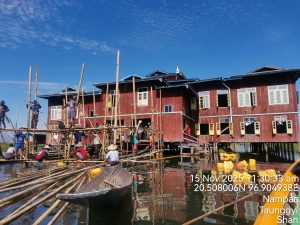
In September 2024, Typhoon Yagi caused unprecedented inundation, followed by a catastrophic 7.7-magnitude earthquake in March 2025. The Inle Lake region was severely affected by these consecutive natural disasters, which resulted in the destruction of homes, traditional floating gardens, critical infrastructure, and cultural heritage sites. Additionally, the lake’s fragile ecosystem and water purity were significantly impacted.
Overview of the Reports
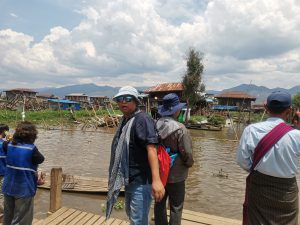
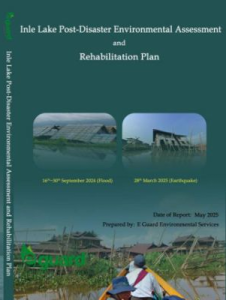
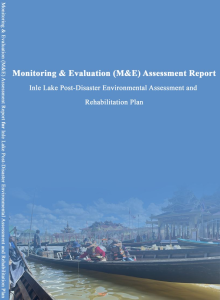
A series of two assessment reports published by the Myanmar Environmental and Sustainable Development Initiative (MESDI, formerly MEAA) supports the region’s long-term recovery and resilience. Released in December 2025, the reports present the latest Monitoring and Evaluation (M&E) findings, identify urgent needs, outline sustainable rehabilitation strategies, and assess post-disaster impacts.
Key Highlights
- Comprehensive Impact Assessment: The earthquake and floods caused the extensive structural collapse of residential and religious buildings, as documented. It emphasizes a significant decrease in water quality that is the result of heavy sedimentation and ruptured sanitation systems (septic tanks). This poses a growing threat to public health, biodiversity, and local livelihoods, such as floating agriculture and fishing.
- Rehabilitation & Recovery Strategy: Offers practical frameworks for disaster-resistant reconstruction. The implementation of eco-friendly bio-septic containers to regulate water pollution, the construction of multipurpose floating emergency shelters, and the establishment of robust early warning systems to ensure future disaster preparedness are among the most significant recommendations.
- M&E Assessment Findings (December 2025): Offers practical frameworks for disaster-resistant reconstruction. The implementation of eco-friendly bio-septic containers to regulate water pollution, the construction of multipurpose floating emergency shelters, and the establishment of robust early warning systems to ensure future disaster preparedness are among the most significant recommendations.
Call to Action
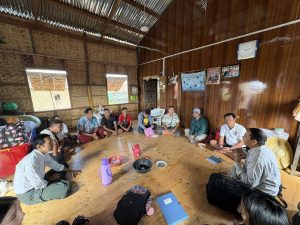
MESDI urgently urges corresponding departments, domestic and international donors, development partners, and civil society organizations to invest in these integrated recovery solutions and collaboration. Your assistance is indispensable in the restoration of Inle Lake’s ecosystem, the enhancement of community resilience, and the preservation of one of Southeast Asia’s most iconic natural and cultural treasures.
⬇️ Download and read the full reports from the links below:
Project Partners
 |
 |
 |